

If you’ve ever wondered how to store an air compressor properly, chances are you’ve dealt with issues like rust in the tank, air leaks, or startup failures. These problems often stem from poor storage habits, and they can shorten the life of your equipment or even create safety hazards.
This guide will walk you through the best air compressor storage tips to help you avoid costly repairs and keep your unit running safely and efficiently. If you’re in need of a new air compressor, turn to AirCompressors.com for expert guidance and trusted brands.
Why Proper Storage Matters

Improper storage is one of the most overlooked aspects of air compressor maintenance. When left in the wrong environment or without proper care, compressors are vulnerable to moisture buildup, freezing temperatures, dust, and air leaks. These issues don’t just affect performance; they can lead to expensive repairs and downtime when you need your equipment most.
Step-by-Step Guide: How to Store an Air Compressor
Drain the Tank and Lines
Moisture is one of the biggest threats to your air compressor’s internal components. After each use (and especially before long-term storage), it’s essential to release all pressure and drain any accumulated water from the tank and air lines. This prevents rust, corrosion, and microbial growth that can compromise performance. If you find yourself forgetting this step, consider installing an automatic drain valve for added convenience.
Clean the Exterior and Filters
Before putting your compressor away, take a few minutes to wipe down the exterior. Dust, oil, and debris can build up over time and interfere with moving parts or ventilation. It’s also a good idea to clean or replace the air intake filter. A clean filter ensures proper airflow and protects the motor from contaminants when the compressor is back in use.
Disconnect and Store Hoses Properly
Leaving hoses attached during storage can lead to pressure leaks and unnecessary wear. Disconnect all hoses and coil them neatly to prevent kinks and cracks. If you’re looking for smart air compressor storage ideas, wall-mounted hose reels or hooks are excellent solutions for keeping your workspace tidy and your equipment protected.
Choosing the Right Storage Location
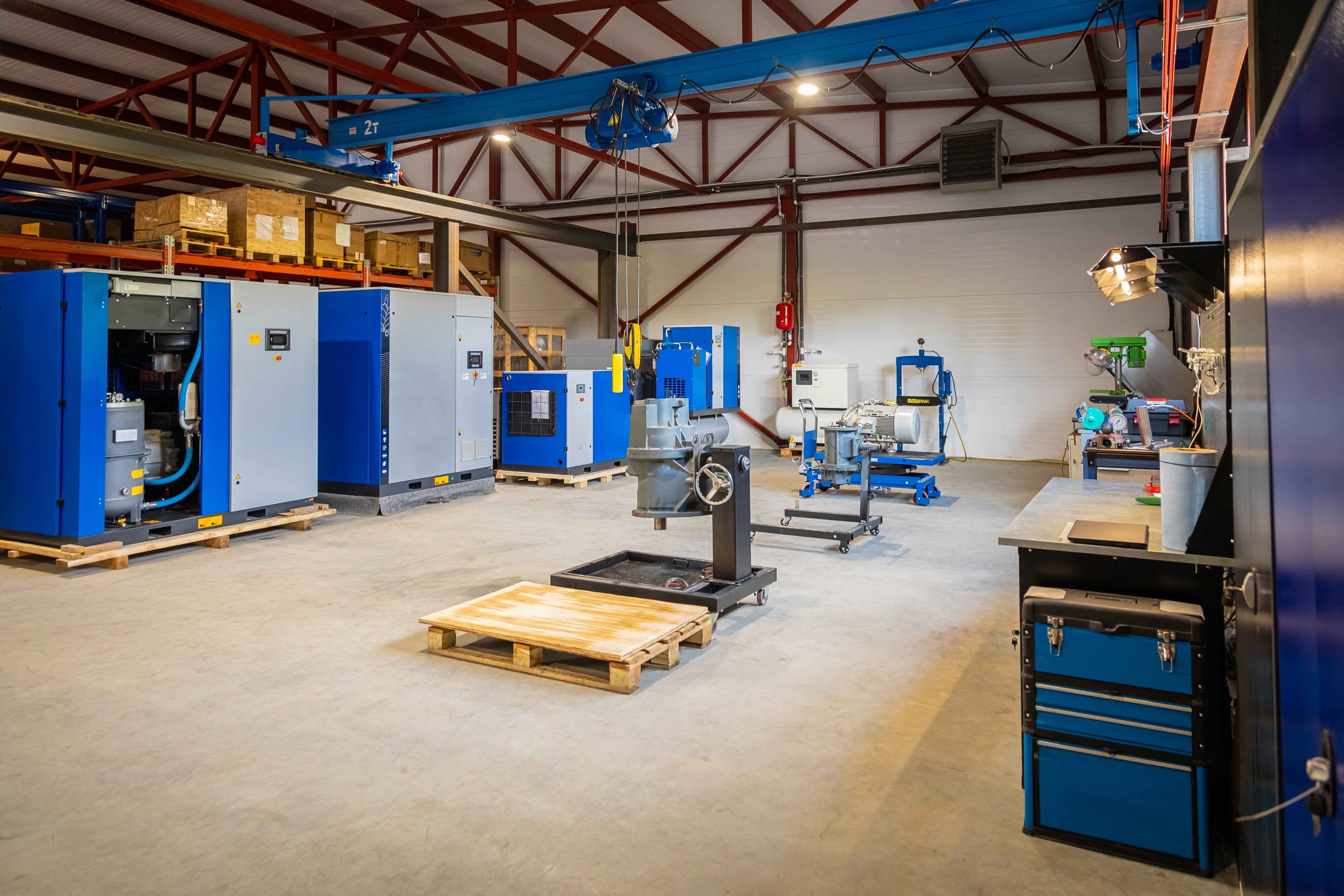
Where you store your compressor matters just as much as how you store it. The ideal air compressor storage temperature is between 50°F and 85°F to avoid issues caused by excessive heat and cold. Ensure that your air compressor is stored in a dry, cool, and well-ventilated area. Avoid damp basements, uninsulated garages, or areas exposed to direct sunlight. These environments can accelerate wear and tear, damage seals, and reduce the overall lifespan of your unit.
Cover and Protect the Unit
Once your compressor is clean, dry, and disconnected, cover it with a breathable, water-resistant fabric cover. This helps shield it from dust and debris without trapping moisture. Avoid using plastic tarps, which can create condensation and lead to rust.
Seasonal Storage Tips

Winterize Air Compressor Systems
If you live in a region with freezing temperatures, it’s critical to winterize your air compressor before storing it. Start by draining all moisture from the tank and lines. Then, move the unit indoors or into a heated space above 50°F to prevent freezing. If your system includes water traps, consider adding antifreeze to prevent internal damage. Insulating exposed hoses and fittings can also help protect against cold-weather cracking.
Summer Storage Considerations
In hot climates, heat can be just as damaging as cold. High temperatures can cause seals to dry out and electronics to overheat. To avoid these issues, store your compressor in a shaded, well-ventilated area not exceeding 85°F. A space with good airflow is also recommended to help regulate temperature and prevent thermal stress on sensitive components.
Maintenance Before and After Storage
Pre-Storage Maintenance
Before storing your compressor, take time to inspect it thoroughly. Look for signs of leaks, rust, or worn parts. If your unit is oil-lubricated, top off or change the oil as needed. Clean or replace the air filter and test the safety valves and pressure gauges to ensure everything is functioning properly.
Post-Storage Maintenance
When it’s time to bring your compressor back into service, don’t skip the reinspection. Check for signs of pest intrusion, corrosion, or damage. Reconnect the hoses, test for air leaks, and run the compressor briefly to confirm smooth operation. These steps are especially important if you’ve been storing your air compressor long-term.
Recommended Air Compressor Storage Accessories
To make storage safer and more efficient, consider investing in a few key accessories. Air compressor covers protect your unit from dust and moisture. Hose reels or wall mounts keep hoses organized and off the floor, reducing tripping hazards and wear. Moisture traps and inline filters are also helpful for preventing water from entering your tools or tank, especially in humid environments. These simple additions can significantly reduce the need for frequent air compressor maintenance.
Why Buy from AirCompressors.com
At AirCompressors.com, we understand how critical it is to keep your equipment in top shape. That’s why preventing wear and tear during storage is extremely important. We offer a wide range of air compressor accessories, expert advice on how to store an air compressor, and fast, reliable shipping. Whether you’re a contractor, facility manager, or shop owner, we’re here to help you protect your investment and keep your equipment running at its best.
Need Help? Contact Us for Expert Support
Still unsure about the best way to store your compressor? Our team is here to help. Reach out for personalized guidance on air compressor storage tips, maintenance solutions, and the right accessories for your setup.
