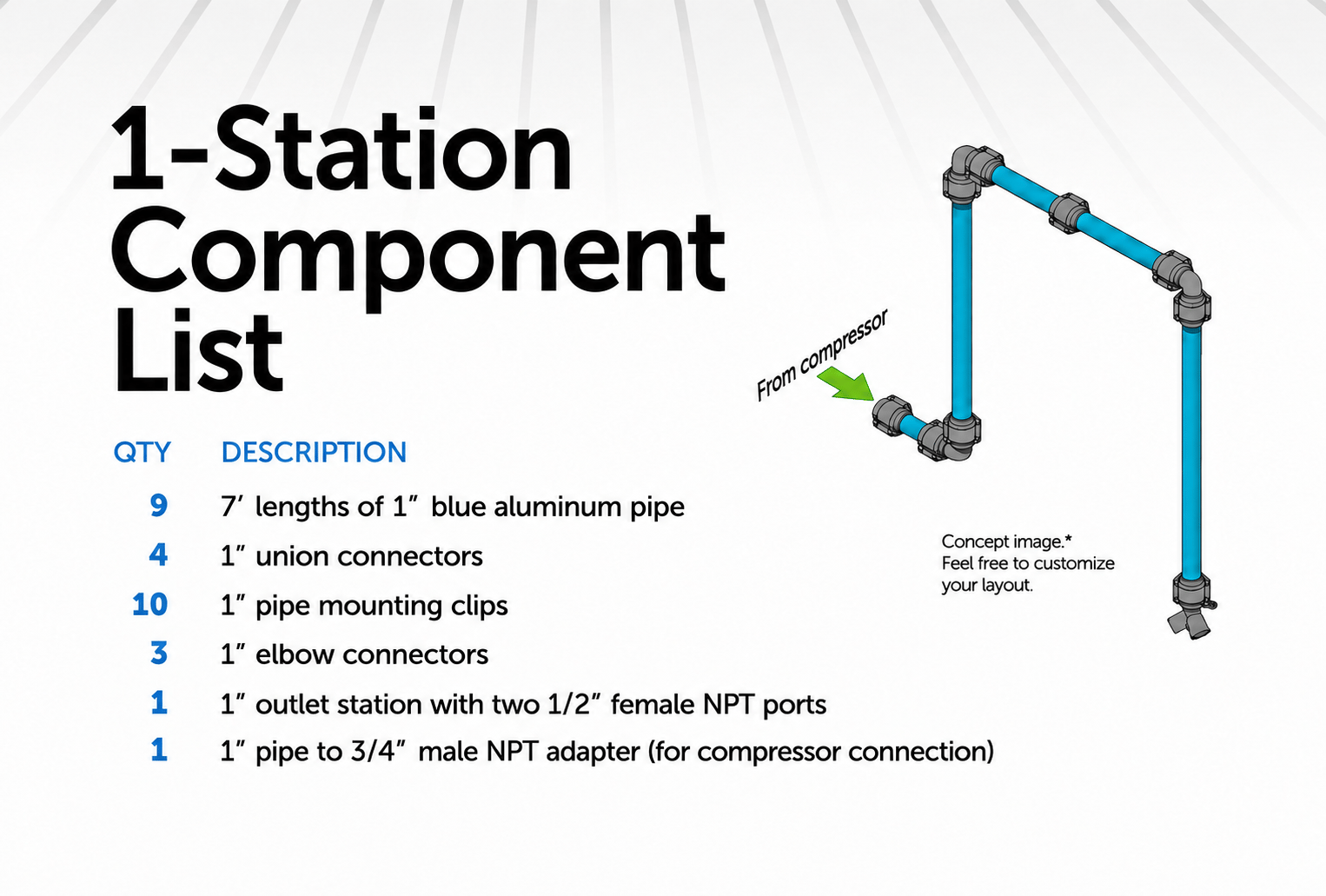
1-Station Kit
Best for a single garage bay, bench, tool station or compact work area.
Outlet stations: 1
Best for: Small garages

Preconfigured Compressed Air Piping Layouts
Compare preconfigured AIRpipe compressed air garage layouts for clean, organized shop-air distribution. Choose from 1-station, 3-station, 4-station looped and 5-station layouts built around aluminum pipe, fittings, outlet stations, mounting clips and compressor connection components.
Build the fixed piping system first, then complete each outlet with the hose reel, hose, regulator, manifold, couplers and fittings required by the tools used at that workstation.
Build the Distribution System First
AIRpipe Garage Kits simplify the fixed-piping portion of a garage or workshop compressed air system. Instead of locating every pipe, connector, elbow, tee, mounting clip, outlet station and compressor adapter individually, start with a preconfigured layout and adjust the design to your space as needed.
Best for a single garage bay, bench, tool station or compact work area.
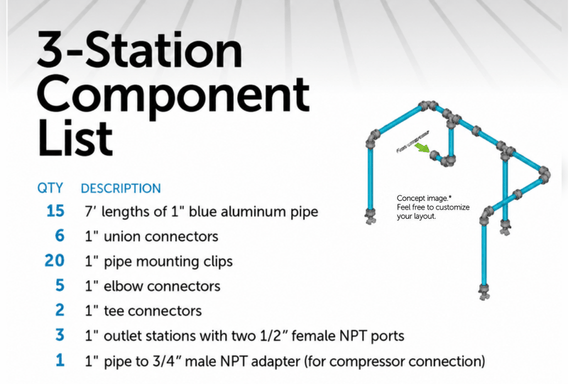
Designed for workshops with multiple tool zones, workbenches or service areas.
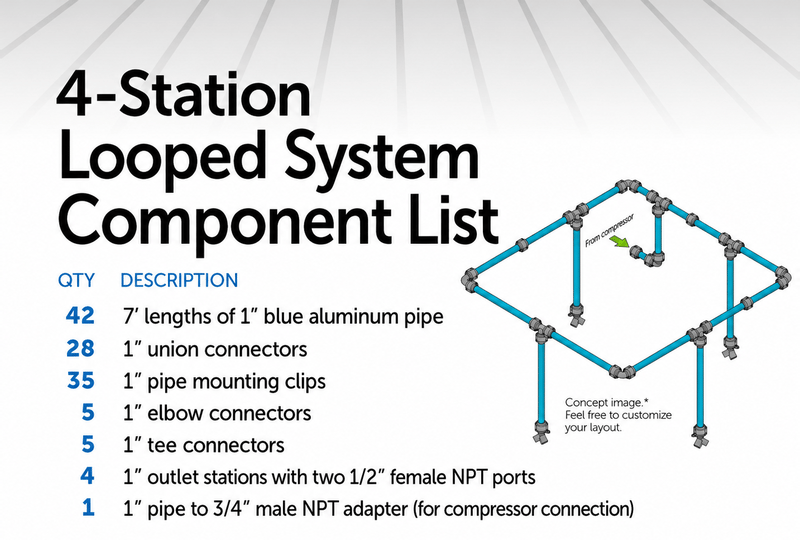
A looped layout for larger spaces that need improved air distribution around the work area.
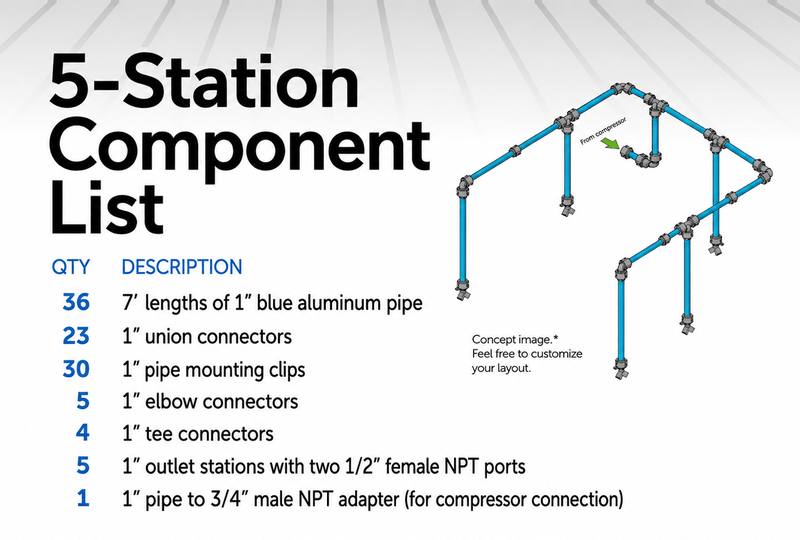
Built for larger garages, small shops, service departments and several compressed air access points.
Start with the number of work areas that need compressed air, then consider whether a simple multi-drop layout or a looped system makes the most sense for your garage or shop.
| Kit | Best For | Outlet Stations | Layout Type |
|---|---|---|---|
| 1-Station Kit | Small garages, single work areas and compact tool stations | 1 | Single-drop layout |
| 3-Station Kit | Workshops with multiple tool locations or service zones | 3 | Multi-drop layout |
| 4-Station Looped Kit | Larger layouts needing improved air distribution around the workspace | 4 | Looped layout |
| 5-Station Kit | Shops with several compressed air access points | 5 | Expanded multi-drop layout |
Two Parts of the Same System
The Garage Kit and the drop station serve different jobs. Understanding that difference makes it easier to build the complete compressed air system in the right order.
The Garage Kit carries compressed air from the compressor around the garage or shop and creates one or more outlet locations.
The drop station finishes the connection at each AIRpipe outlet and delivers usable compressed air to the tool or equipment.
These preconfigured layouts use common 1-inch AIRpipe components for shop-air distribution. Additional pipe, fittings, valves, filtration, regulators, hose reels and quick disconnects may be needed depending on your final installation and workstation needs.
After the AIRpipe Outlet
The Garage Kit brings compressed air to the workstation. The next step is completing each outlet with the components needed to control, distribute and deliver air to the tool.
Use the AIRpipe Drop Station Design Guide to work through airflow, pressure, hose reach, reel placement, manifolds, fittings and point-of-use air preparation.
Start with a recommended group of pipe, connectors, clips, outlet stations and adapters instead of locating every component manually.
Each layout provides a clear starting point for building a garage, workshop or smaller-shop compressed air distribution system.
AIRpipe layouts can be modified with additional drops, branches, valves, filters, regulators, manifolds and quick-disconnect components as needs change.
Wall-mounted or overhead aluminum piping helps reduce hose clutter and creates a more organized compressed air system.
Aluminum compressed air pipe helps avoid rust concerns commonly associated with traditional black iron piping.
A properly planned layout can help reduce unnecessary pressure loss and move compressed air closer to the tools and workstations where it is needed.
AIRpipe garage layouts are often paired with compressors used for tire inflation, air tools, automotive work, woodworking, DIY projects and general shop use. Always size the compressor around the actual CFM requirements of the tools you plan to operate.
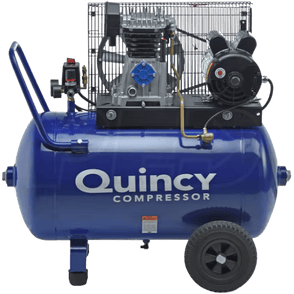
Portable 115V compressor designed for garages, automotive maintenance, tire inflation, air tools and DIY projects.
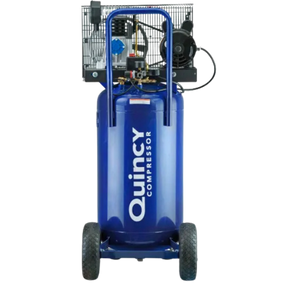
Compact vertical design that saves floor space while providing dependable compressed air for garage and workshop applications.
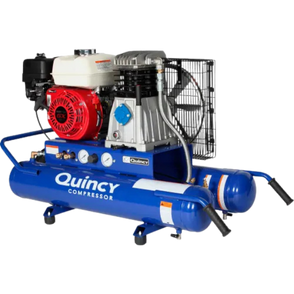
Gas-powered portable compressor ideal for larger garages, detached workshops, farms, mobile service and outdoor applications.
Continue Planning the System
Use these guides to move from the fixed piping system to each workstation and select the components required at the point of use.
Send us your garage, shop or facility layout and we can help identify a starting point for the piping system and the outlet locations your work areas require.
Common Questions
Each preconfigured cart includes a recommended combination of aluminum pipe, fittings, outlet stations, mounting clips, tee connectors, elbow connectors and compressor connection components depending on the selected layout.
No. These are convenient preconfigured cart layouts assembled from individual AIRpipe components to help customers purchase the parts needed for common compressed air piping designs.
Choose based on how many work areas need compressed air access, how far apart those areas are, whether a looped layout is appropriate and whether the system may expand later.
An AIRpipe Garage Kit provides the fixed aluminum piping used to distribute compressed air around the garage or shop. A drop station is the point-of-use connection at an outlet and may include components such as a shutoff valve, regulator, hose reel, hose, couplers and manifold.
The Garage Kits are focused on the fixed AIRpipe distribution system. Depending on the workstation, additional components such as hose reels, air hose, regulators, filters, manifolds, plugs and couplers may be needed to complete each point-of-use drop.
Yes. Modular aluminum compressed air piping systems can be expanded with additional pipe, fittings, outlet stations, valves, regulators, filters and accessories. Confirm that the compressor and existing piping have adequate capacity for any additional airflow demand.
Confirm compressor outlet size, total run length, CFM demand, pressure requirements, outlet station placement, mounting surfaces and any local installation requirements. Also consider where future drops or work areas may be added.
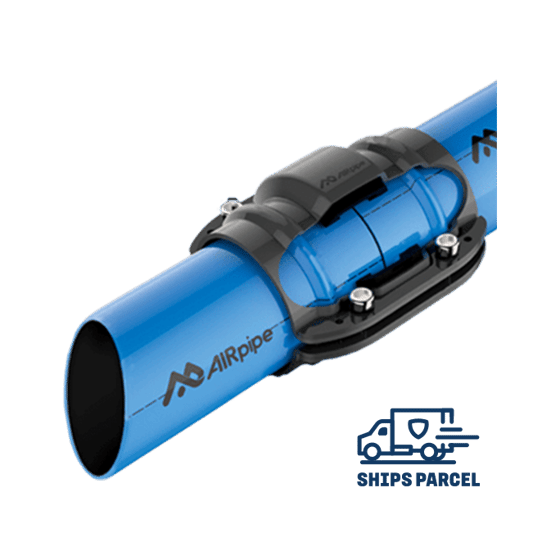 7' Lengths of 1" Blue Aluminum AIRpipe
 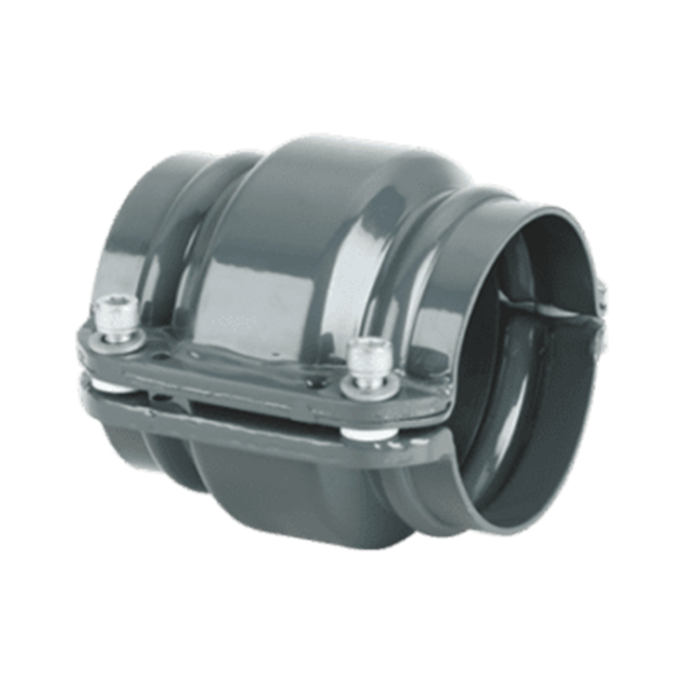 1" Union Connectors
 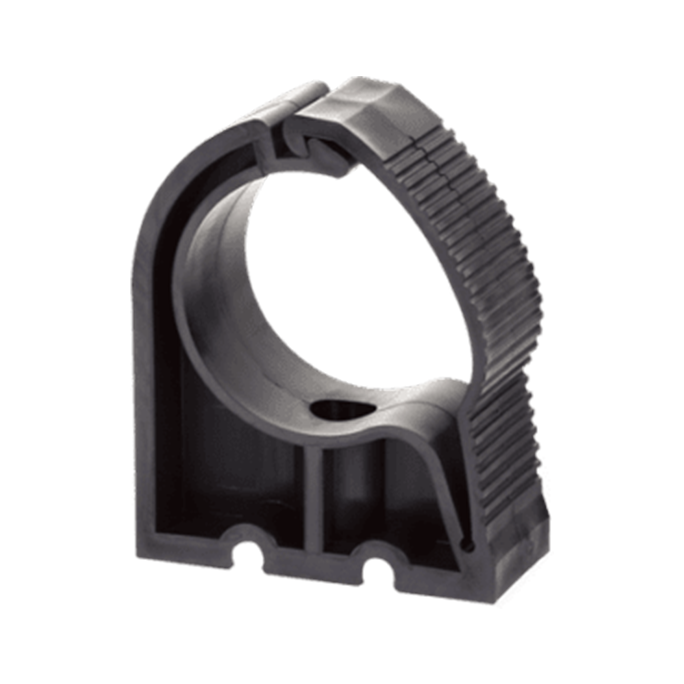 1" Pipe Mounting Clips
 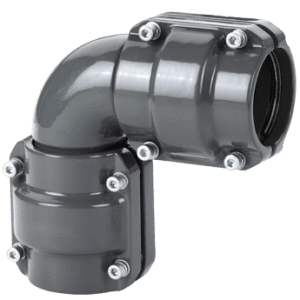 1" Elbow Connectors
 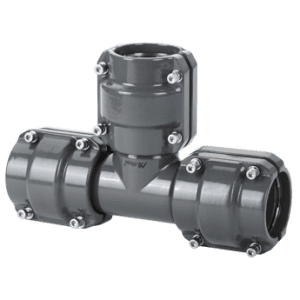 1" Tee Connectors
 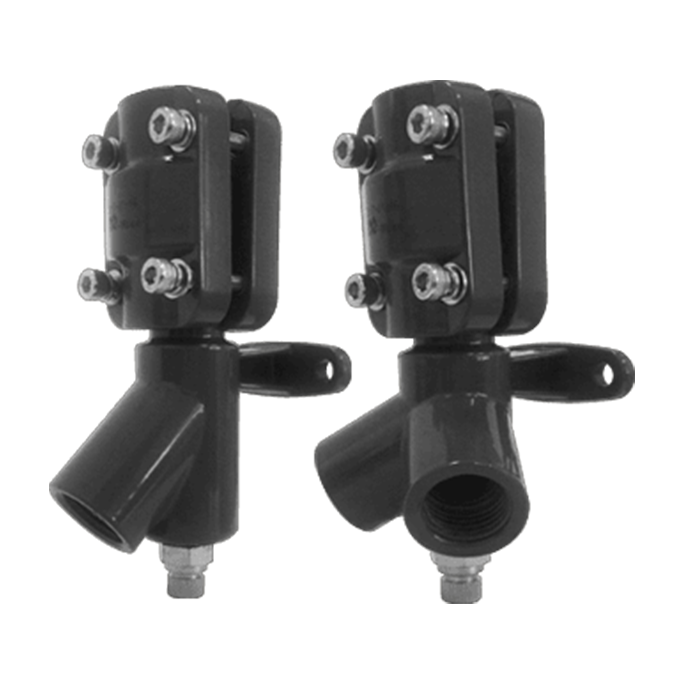 1" Outlet Station with Dual 1/2" Female NPT Ports
 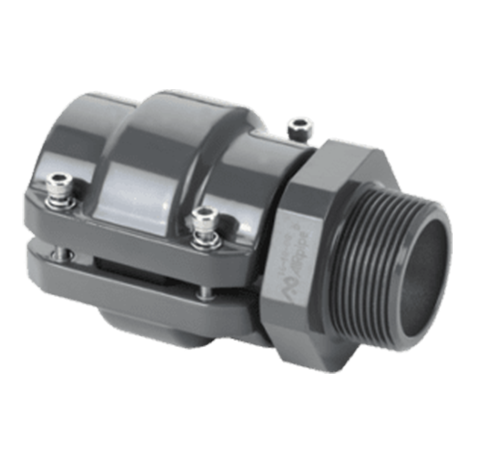 1" Pipe to 3/4" Male NPT Adapter