Winter Air Compressor Maintenance Checklist
1. Inspect and Protect Your Drains, Separators & Moisture Controls
Condensate management becomes critical in cold environments. If moisture in compressed air isn’t removed efficiently, freeze-ups can occur quickly.
Start by clearing all accumulated condensate before freezing temperatures set in. Inspect both automatic and manual drains to ensure they open and close properly, and confirm that moisture separators are not clogged or damaged.
Watch for warning signs such as:
- Water backing up into air lines
- Drains cycling continuously or failing to open
- Ice buildup near drain discharge points
Any of these issues can signal failing moisture controls that should be repaired or replaced immediately.
Shop drains and separators for all your winter-ready needs.
2. Ensure Your Air Dryer Is Winter-Ready
Your air compressor dryer plays a major role in winter reliability. Cold ambient temperatures can affect pressure dew point and dryer performance if systems aren’t properly configured.
Refrigerated dryers may struggle in unheated spaces, while desiccant dryers often perform better in cold conditions when maintained correctly.
Winter air compressor dryer checklist:
- Verify dryer settings match winter operating conditions
- Inspect heater circuits on desiccant dryers
- Confirm insulation around dryer piping and vessels
- Test dew point monitors for accurate readings
A properly functioning air compressor dryer is essential for preventing moisture in compressed air during winter.
Shop air dryers on AirCompressors.com.
3. Keep Condensate Management Systems from Freezing
Condensate lines, traps, and collection tanks are especially vulnerable in winter, particularly in unheated compressor rooms or exterior installations.
Be sure to insulate exposed piping and condensate lines, inspect traps, valves, and collection tanks for leaks or blockages. Freeze-ups often begin at discharge points or low spots where water accumulates.
Addressing these areas early prevents cracked lines, stuck valves, and unexpected shutdowns.
Shop condensate drains on AirCompressors.com.
4. Check and Maintain Valves, Regulators & Filters
Moisture that escapes air treatment can freeze inside valves and regulators, blocking airflow and disrupting pressure control.
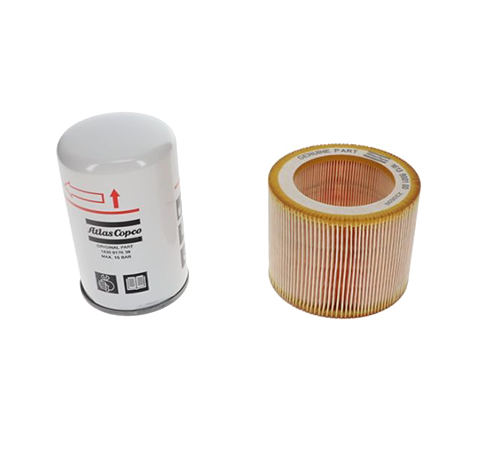
Inspect regulators and solenoids to ensure smooth operation in low temperatures. Replace filters that are clogged with moisture or oil, especially pre-filters and particulate filters, since restricted airflow worsens cold-weather performance.
Keeping fresh, properly rated filters installed helps to protect downstream equipment and maintain consistent air quality throughout winter.
Shop filters and ask the experts at AirCompressors.com about proper filter ratings for your equipment.
5. Inspect Air Receiver Tanks & Distribution Piping
Air receiver tanks collect moisture year-round, but winter demands more frequent attention. Be sure to drain tank moisture daily during cold weather to prevent freezing and internal corrosion.
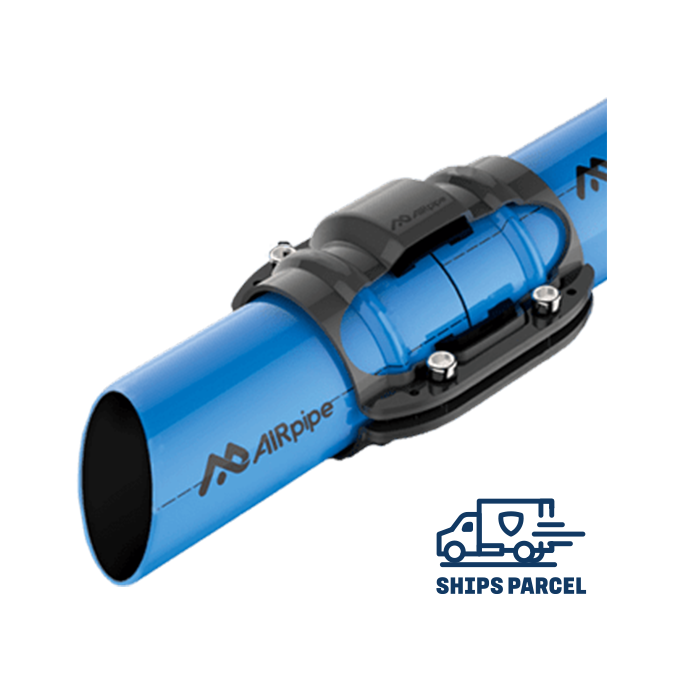
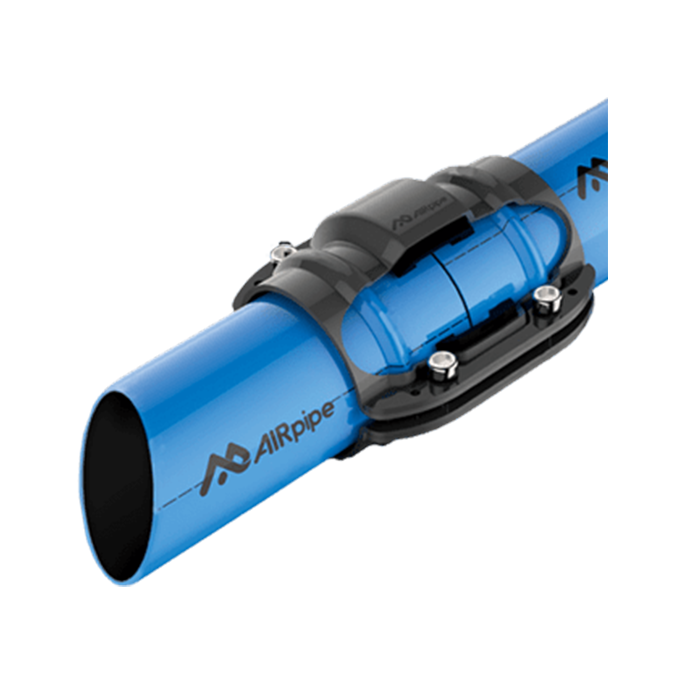
Inspect compressed air piping for low points where water may pool, and check for corrosion or ice formation. Many facilities choose aluminum or modular piping systems because they reduce condensation and offer better thermal stability compared to traditional steel piping, making them ideal for cold environments.
Upgrade your compressed air piping solutions with AIRpipe aluminum modular piping.
6. Maintain Compressor Lubrication in Cold Environments
Low temperatures cause lubricants to thicken, increasing motor load and wear during startup. Verify oil levels and consult manufacturer recommendations for winter-grade lubricants designed for cold operation.
If your industrial air compressor is equipped with oil heaters, confirm they are functioning correctly before winter demand peaks. Proper lubrication protects bearings, reduces startup stress, and extends compressor life.
Shop lubricants to have proper inventory on hand this winter.
7. Check Electrical Components & Compressor Room Environment
Compressed air equipment should operate within recommended temperature ranges, even in winter. Inspect your heaters, insulation, and ventilation systems to ensure the compressor room remains adequately heated.
Condensation can form on electrical connections when temperatures fluctuate, increasing the risk of corrosion or electrical faults. Protect wiring, control panels, and sensors from moisture exposure to maintain safe, reliable operation.
8. Test System Load/Unload, VSD Behavior & Pressure Settings
Cold weather can cause pressure instability, especially during startup. Test load/unload cycles and variable speed drive (VSD) behavior at operating temperature to confirm smooth ramp-up and stable performance.
Verify system pressure setpoints remain consistent with demand and adjust controls if pressure fluctuations occur. Proper tuning ensures efficient operation even during cold starts.
Ongoing Winterization Tips from AirCompressors.com
A consistent winter maintenance routine keeps compressed air systems running reliably when temperatures drop. Be sure to:
- Perform weekly moisture checks across the entire system
- Keep spare filters, drains, and dryer consumables on hand
- Address small issues before freezing conditions turn them into major failures
AirCompressors.com is your trusted resource for winter-ready air compressor parts, air dryers, compressed air piping, lubricants, filters, and expert support. With the right preparation and components, your compressed air system can stay efficient, dependable, and protected all winter long.