

With inflation driving up costs and profit margins tighter than ever, manufacturers can’t afford unexpected downtime. An overheating air compressor isn’t just a minor inconvenience, it can trigger shutdowns, damage internal components, and bring operations to a halt.
The good news is that air compressor overheating is almost always preventable. With the right strategies and routine care, you can keep your system cool, efficient, and running without interruption. Let’s break down the key causes of compressor overheating, how to spot the warning signs early, and the most effective ways to prevent it.
Why Air Compressors Overheat
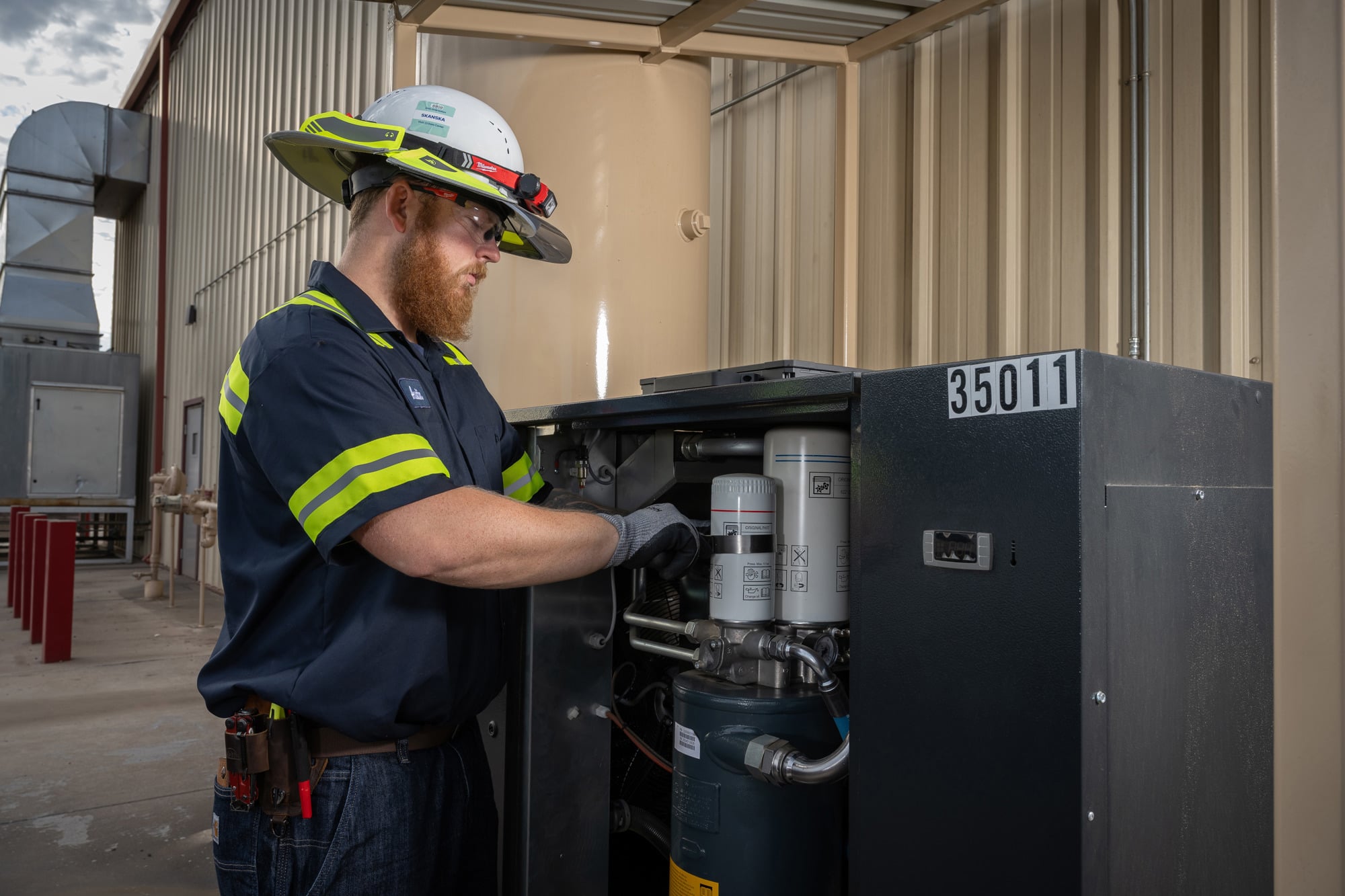
Understanding the root causes of overheating is the first step to prevention. The most common culprits are:
- Poor ventilation: Compressors placed in tight or poorly ventilated spaces can’t dissipate heat effectively.
- Dirty or clogged filters: Restricted airflow forces the compressor to work harder, generating more heat.
- Low or degraded oil levels: Oil lubricates and cools internal components. Without it, friction and heat increase.
- Excessive duty cycles: Running the compressor continuously without breaks can cause it to overheat.
- Blocked coolers or heat exchangers: Dust and debris can clog cooling components, reducing their effectiveness.
Signs Your Air Compressor Is Overheating

An overheating air compressor rarely fails without warning. You might find that the compressor is struggling to maintain pressure or that it takes longer than usual to fill the tank. This sluggishness is often a result of internal components working harder than they should, generating excess heat in the process.
As the temperature rises, the compressor may begin to emit a distinct burning smell, often caused by overheated oil or insulation. If you touch the exterior of the unit, especially near the motor or pump, it may feel unusually hot.
In more advanced stages of overheating, the compressor may shut down automatically. This is a built-in safety feature designed to prevent permanent damage, but it’s also a clear sign that the system is under stress. If this happens repeatedly, it’s a warning sign that shouldn’t be ignored.
You might also notice changes in the oil itself. Overheated oil can darken, thicken, or develop a burnt odor, all of which reduces its ability to lubricate and cool the system effectively. You may even hear grinding, knocking, or whining noises that suggest internal components are being pushed beyond their limits.
Recognizing these symptoms early can make the difference between a quick fix and a costly repair. The key is to act before the heat does lasting damage.
7 Ways to Prevent Air Compressor Overheating
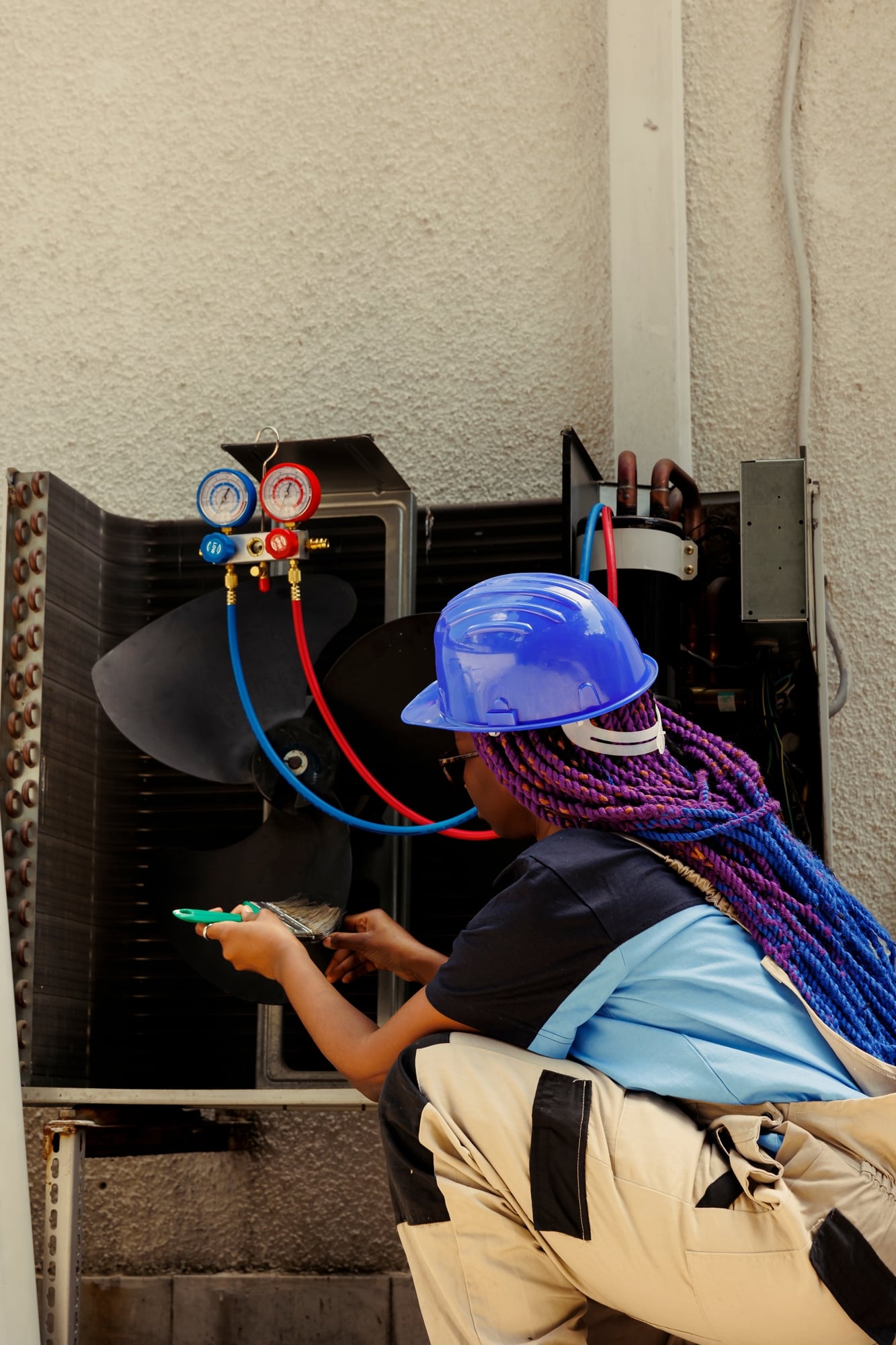
1. Ensure Proper Ventilation
Make sure your air compressor is installed in a well-ventilated area. Do not place it in enclosed spaces, or near heat sources to maintain proper air compressor temperature . Use fans or ducting to improve airflow if needed.
2. Clean or Replace Air Filters Regularly
Dirty filters restrict airflow and force the compressor to work harder. Check filters weekly and clean or replace them according to the manufacturer’s recommendations.
Take care of your filtration needs with AirCompressors.com and reach out to our team for expert advice.
3. Monitor and Maintain Oil Levels
Check oil levels frequently and use the correct type of oil for your compressor. Change the oil at regular intervals to maintain proper lubrication and cooling.
4. Reduce Duty Cycle or Add Storage
If your air compressor runs constantly, consider reducing the load or adding an air receiver tank. This could be the cause of your air compressor not cooling . This allows the compressor to cycle off and cool down between uses.
5. Inspect and Clean Coolers
Coolers and heat exchangers can become clogged with dust and debris. Clean them regularly to ensure efficient heat dissipation.
6. Use the Right Air Compressor for the Job
Undersized equipment will overwork and overheat. Make sure your air compressor is appropriately sized for your application and usage patterns.
7. Schedule Regular Maintenance
Preventive maintenance is imperative. Create a maintenance schedule that includes inspections, cleanings, oil changes, and part replacements.
Air Compressor Cooling Methods Compared
Here is a comparison of the most common air compressor cooling methods to help you choose the best cooling option for your system and environment.
Air Cooled Compressor
- Uses ambient air to cool components
- Pro: Simple and low maintenance
- Con: Less effective in hot environments
- Best for small to mid-sized compressors
Water Cooled Air Compressor
- Uses water to absorb and remove heat
- Pro: More efficient in high-heat settings
- Con: Requires plumbing and water supply
- Best for large or continuous-duty systems
Passive Cooling Air Compressor
- Relies on natural airflow and heat sinks
- Pro: No energy use, low cost
- Con: Limited cooling capacity
- Best for low-duty applications
Active Cooling Air Compressor
- Uses fans to force air over hot parts
- Pro: Effective and controllable
- Con: Requires power and maintenance
- Best for most industrial applications
Protect Your Equipment and Improve Efficiency
Overheating doesn’t just affect performance, it shortens the lifespan of your compressor, increases energy consumption, and leads to more frequent breakdowns. By taking proactive steps to prevent overheating, you’ll reduce maintenance costs, improve system reliability, and ensure consistent performance.
Get Expert Help at AirCompressors.com
Need help choosing the right cooling solution or maintenance products? At AirCompressors.com, we offer a wide range of accessories, part kits, and expert advice to keep your system running at peak performance.
Get in touch with our team to get started.
