

Air compressors are used to power pneumatic tools, automate manufacturing equipment, operate packaging systems, support material handling, and provide clean compressed air for industrial processes across industries such as manufacturing, automotive, food processing, construction, and pharmaceuticals.
How Air Compressors Work
They convert power into compressed air, which is then stored and used to operate tools, equipment, and automated systems across industrial applications.
As compressed air technology has advanced, air compressors have become more energy-efficient, reliable, and adaptable, making them essential for improving productivity, maintaining safety standards, and reducing long-term operating costs.
This makes air compressors essential for companies evaluating what an air compressor is used for and how compressed air supports daily operations. From manufacturing and automotive production to food processing and pharmaceuticals, industrial air compressors support countless applications that require consistent, clean, and dependable power.
Below, we explore how applications of air compressors across industries and why they remain a cornerstone of industrial efficiency.
Below is a closer look at how air compressors support each industry.


Automotive Industry Applications
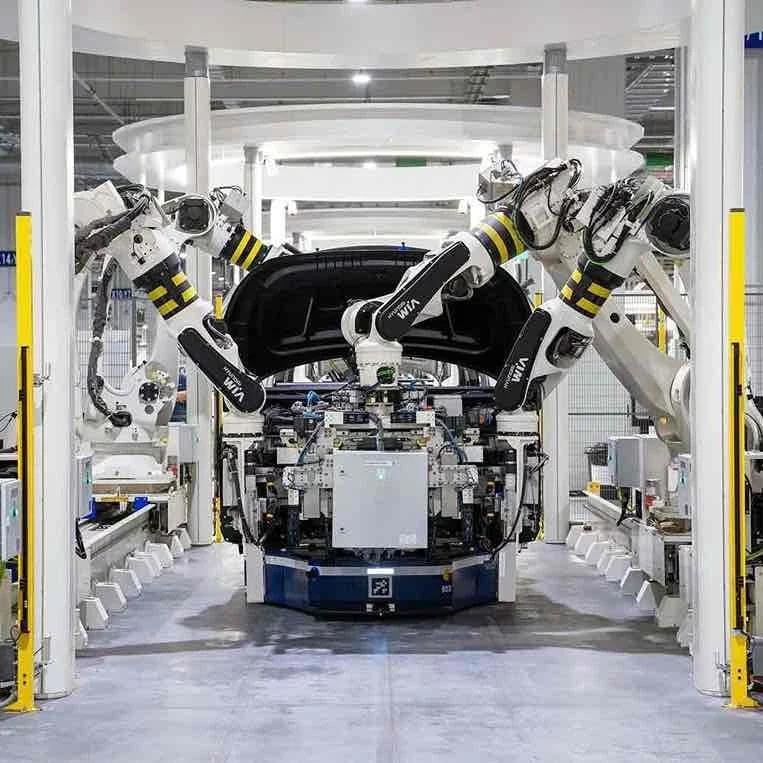
Air compressors are widely used throughout automotive manufacturing and repair operations. In production facilities, compressed air powers robotic assembly lines, helping move components with precision while improving worker safety and throughput. Air compressors also support material handling systems that lift and position heavy parts that would otherwise require manual labor.
In automotive service and body shops, air compressors are essential for painting, cleaning, sanding, and tire inflation. These applications rely on consistent air pressure to ensure quality finishes and reliable vehicle maintenance.
Learn more about top air compressors for the Automotive Industry.
Woodworking Applications
Air compressors are used at nearly every stage of the woodworking process. In sawmills, compressed air powers the cutting equipment used to process logs into boards and panels. In manufacturing environments, air compressors operate pneumatic tools for framing, nailing, drilling, and shaping wood products.
Compressed air is also critical for dust collection systems and finishing applications. Rotary screw air compressors are commonly used in woodworking shops because they deliver steady airflow for spray guns, ensuring smooth, even wood finishes.
Metalworking Applications
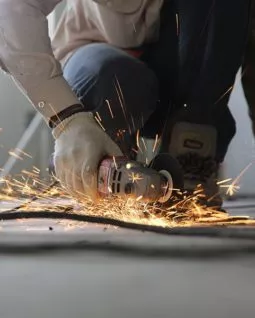
Metalworking operations require a dependable source of power, making air compressors a foundational component of the industry. Compressed air is used to operate drills, grinders, cutters, impact wrenches, and other pneumatic tools essential for fabrication and assembly.
In addition to powering tools, air compressors support surface cleaning, welding preparation, painting, and precision cutting, bending, and shaping of metal components. Consistent air pressure is vital for maintaining accuracy and product quality.
Food and Beverage Industry Uses
Air compressors play a crucial role in food and beverage production, where clean, contaminant-free air is essential. Compressed air is used to power conveyor systems, presses, sprayers, and packaging equipment throughout processing facilities.
Rotary screw and oil-free air compressors are commonly used in food and beverage applications to ensure compliance with food safety standards. Clean compressed air is also used for cutting, peeling, molding, and bottling operations where hygiene is critical.
Learn more about top air compressors for the Food and Beverage Industry.
Pharmaceutical Applications
In pharmaceutical manufacturing, maintaining sterile environments is a top priority. Air compressors, particularly oil-free models, provide high-purity compressed air required for mixing formulas, coating tablets, and packaging medications.
Compressed air is also used to fill, cap, and label pharmaceutical products while supporting contamination control standards throughout the production process.
Construction Industry Uses
Construction sites rely on air compressors to deliver both continuous and burst air for demanding tasks. Compressed air powers pneumatic tools such as nail guns, jackhammers, drills, and concrete breakers with exceptional efficiency.
Air compressors also support material handling, lifting, and drilling operations across infrastructure development, road construction, and demolition projects. Portable rotary screw and reciprocating compressors are commonly used due to their durability and energy efficiency. These examples clearly show what air compressors do on job sites, providing reliable power for high-demand pneumatic tools and equipment.
Textile Manufacturing Applications
Air compressors are essential in textile manufacturing, where they power machines used for spinning, weaving, dyeing, and fabric finishing. During production, compressed air helps regulate thread tension to maintain consistent fabric quality and strength.
Once textiles are produced, compressed air is used for cleaning, drying, and printing on fabric surfaces to ensure high-quality finished products.
Printing Industry Applications
Compressed air is widely used in both paper printing and industrial screen-printing processes. Air compressors help feed materials into printing machines, cut materials to precise specifications, and apply ink with consistent pressure.
After printing, compressed air systems are used to clean rollers, plates, and ink tanks, as well as to dry printed materials and cure inks, reducing the risk of smudging or defects.
Plastic and Rubber Manufacturing Uses
In plastic and rubber manufacturing, air compressors power machinery used for molding, extrusion, and assembly. Compressed air improves operational efficiency by enabling faster cycle times and precise process control.
Air compressors are also used to clean equipment and support automated production systems, helping manufacturers maintain consistent output and quality.
Manufacturing Industry Applications for Air Compressors
Across industries, air compressors support a wide range of manufacturing applications: from cutting, drilling, and cleaning to quality control and safety operations. Their versatility, efficiency, and reliability make industrial air compressors an essential investment for businesses looking to improve productivity and operational performance.
These manufacturing environments highlight air compressor uses in industry to deliver consistent, controllable power for critical processes. Understanding how to use an air compressor correctly starts with knowing the application, airflow requirements, and duty cycle for your industry.
To discuss how air compressors can create efficiencies in your business, contact AirCompressors.com today.
